

Detox From Alcohol
The process of detoxing from alcohol can be a long process. It is important to enrol in a medically assisted detox program in a rehabilitation center to minimise withdrawal symptoms and to prevent them from becoming severe.
It is essential to have a supportive network around you during the detox process. Keeping friends and family nearby can assist you to stay away from temptation and maintain your sobriety. A lack of access to alcohol can be helpful.
Self-detox at home
Whether it's due to physical dependence or mental health issues, alcohol dependence can have devastating results. Alcohol addiction can lead to difficult relationships, financial issues as well as a decrease in job performance. It is crucial to seek medical attention as soon as you can if you are struggling with alcoholism. Alcohol detox can be a safe way to break your dependence on alcohol and begin the process of recovery.
The process of detoxing isn't easy and some people might suffer from severe withdrawal symptoms. It is recommended to undergo detox at a treatment center under the supervision of medical professionals. During detox, you will receive 24-hour care and be provided with medications to ease withdrawal symptoms. In addition, you'll be able to access counseling and support from a treatment counselor.
You can prepare yourself for the detox process by completing a few things. One of the most important is to remove all alcohol from your home. This will prevent you from being enticed to drink whenever cravings arise. Staying hydrated is another important step. Drinking plenty of water will help you stay well-hydrated. You'll need to do this because you'll be sweating more during detox, which could result in dehydration. Also, avoid sweet drinks as they can trigger cravings.
Aside from getting rid of alcohol in your home, you must also avoid people who are associated with drinking alcohol. This will make it easier to stay away from temptation and remain on the right path to achieve your detox goals. In addition you should do deep breathing and meditation to keep your mind clear during detox.
There are many ways to ease your symptoms even though detoxing from alcohol at home can be a challenge. You can eat healthy food, exercise regularly and surround yourself with supportive people. Having a solid support system will assist you in overcoming addiction and keep sober.
The dangers of alcohol are real however, it can be overcome. With the right guidance, you can successfully get rid of alcohol at home. Be aware that self-detoxing at your home is not recommended, particularly for those with pre-existing medical conditions.
At-home detox
A home detox is an excellent option for those who want to cut down on their drinking habits. It is safe for the majority of people, provided that you follow the guidelines. It is recommended to gradually reduce your alcohol intake over a few days or weeks before quitting completely. This will help to prevent withdrawal symptoms from getting more severe. It is also important to eat healthy foods and drink plenty of water throughout the detox phase. Drinking water can also prevent dehydration which is a common problem when you are going through withdrawal from alcohol.
It is essential to have a system of support when you are trying to detox at home. It can help you overcome cravings and stay focused throughout the process of detoxification. You can ask your family and friends for advice or locate support groups in your community or online. You can also try mindfulness techniques like meditation and deep breath to help you deal with cravings and other challenges. It is also important to avoid drinking in the presence of others to avoid temptation.
If you have a prior history of alcoholism, it is recommended to seek medical assistance prior to trying to detox at home. A severe withdrawal can cause hallucinations or a loss of speech. It is recommended to consult with your doctor before you begin drinking again.
Afraid of alcohol is also an excellent idea. Have a stash of food and water in your pantry so that you can avoid drinking too much. Also, ensure that you clear your home of all alcohol and dispose of any alcohol-related drinks you have. This will reduce temptation and increase your chance of success.
Detoxing at home can be a challenging process, but it can be done with the proper strategy. If you've experienced difficulties with self-detox in the past or have a history that has mental or physical issues that may be exacerbated it is recommended to consult a doctor to ensure a more comfortable and efficient detox. Inpatient detox at an institution can be more comfortable and safe than home-based detox, as you'll be able to access medical assistance 24 hours a day.
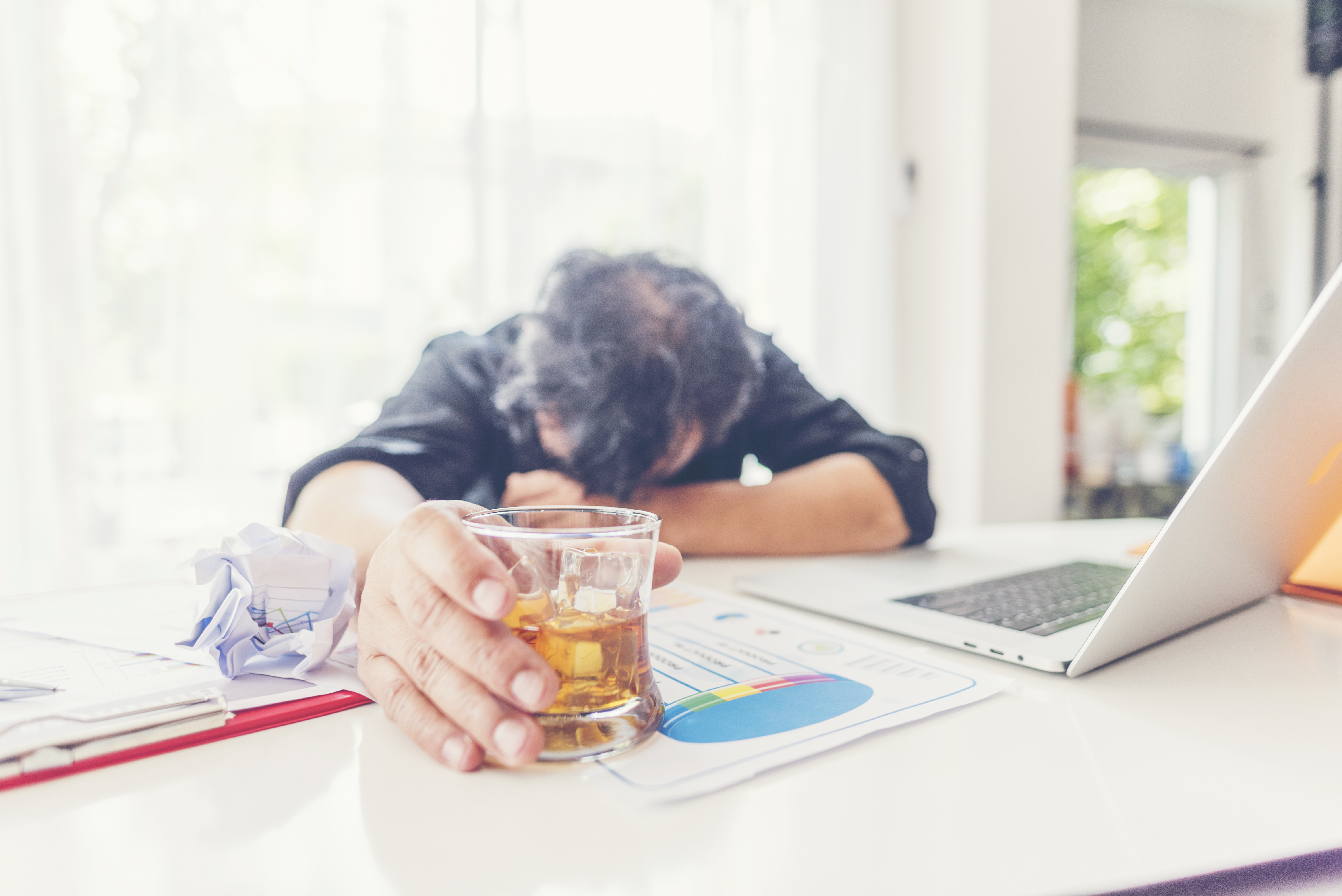
Inpatient detox
If you have an addiction to alcohol that is severe and drugs, you may need medical detox. This procedure is designed to eliminate harmful toxins and prepare you for your treatment. Detox is usually a part of a residential rehabilitation program. The detox process inpatient occurs in a drug or alcohol treatment facility and typically runs for 3 to 14 days. During this time you'll have to go to the center each day for therapy sessions that could last up to hours. The first session is an intake in which you'll discuss your history with mental and substance abuse issues. You will also receive physical examinations and blood tests.
In the detox phase, you will be given medications to help ease withdrawal symptoms. Benzodiazepines are used to alleviate muscle spasms, anxiety and insomnia during this period. The dosage may differ according to your needs, but you're likely to get prescribed long-acting benzos, such as chlordiazepoxide (Librium) and diazepam (Valium) for a period of three or more days.
Many who try to stop drinking "cold-turkey" end being admitted to emergency rooms due to severe withdrawals symptoms. It is crucial to seek professional assistance as withdrawal can cause seizures, as well as other potentially life-threatening complications. Inpatient detox programs provide 24 hour assistance and supervision to avoid these problems. They also offer group therapy and socialization in order to help recovery.
symptoms alcohol detox is a great option for people with co-occurring mental health issues, such as depression or bipolar disorder. These conditions can make detox difficult and increase the risk for Relapse. Inpatient detox is also recommended for those with the history of severe withdrawal symptoms such as delirium-tremens.
The most effective detox programs focus on the whole person and offer a holistic approach. They offer a variety of therapeutic techniques like motivational enhancement therapy and individual therapy. They teach patients to identify and manage negative thoughts about their addiction as well as to develop an optimistic outlook for recovery.
Getting help for your addiction is the most important step towards a lifetime of sobriety. Many treatment centers offer detox programs as part of their residential or outpatient program. Be sure to inquire about the length of the program as well as the cost if you are considering one.
Therapy online
People who have a serious problem with alcohol may need assistance to stop drinking. This process, also known as detox, is typically a medically supervised withdrawal from alcohol. It can include sedative medications such as benzodiazepines and barbiturates. 30 day alcohol detox at home are used to reduce anxiety, manage withdrawal symptoms, and prevent seizures. In addition, herbal supplements such as Ashwagandha as well as milk thistle and St. John's wort can aid in reducing symptoms of withdrawal from alcohol and cravings. Other options to stop drinking include diet changes as well as exercise, meditation and self-guided programs. Many recovery fellowships offer support groups online.
The process of detoxing can be extremely uncomfortable and can result in seizures or delirium tension. It is crucial to seek treatment from a certified healthcare professional for alcoholism. If withdrawal from alcohol isn't properly treated, it can be fatal. Based on your situation, you may be eligible for an outpatient detox program which offers medically assisted alcohol withdrawal. A detox clinic provides round-the-clock monitoring to help you avoid adverse negative adverse effects.
Numerous alcohol counselors are accessible via telehealth, which can be described as an innovative form of therapy that uses technology to provide care. This method of alcohol therapy has been proven effective and can be a good option for those with limited access to outpatient or inpatient treatment. With a telehealth program such as BetterHelp, you can be connected with a skilled therapist who can help you overcome your addiction to alcohol. You can find the right therapist for you who is specialized in alcohol abuse disorder.
You can find a therapist with most relevant experience and background you by searching the RCA Navigator. Many of these doctors offer telehealth services and are accessible via an email or a video conference. mens alcohol detox can also browse the NIAAA's list on Telehealth resources to assist in finding quality therapists.
You can also locate a board certified physician to evaluate your condition and prescribe medications for alcohol use disorder. A lot of these doctors offer telehealth services, so you can consult them in the comfort of your own home. If you have an insurance policy for health you can use the RCA Navigator to find doctors that accept your insurance. You can also make use of the NIAAA tool to locate doctors who specialize in alcoholism.